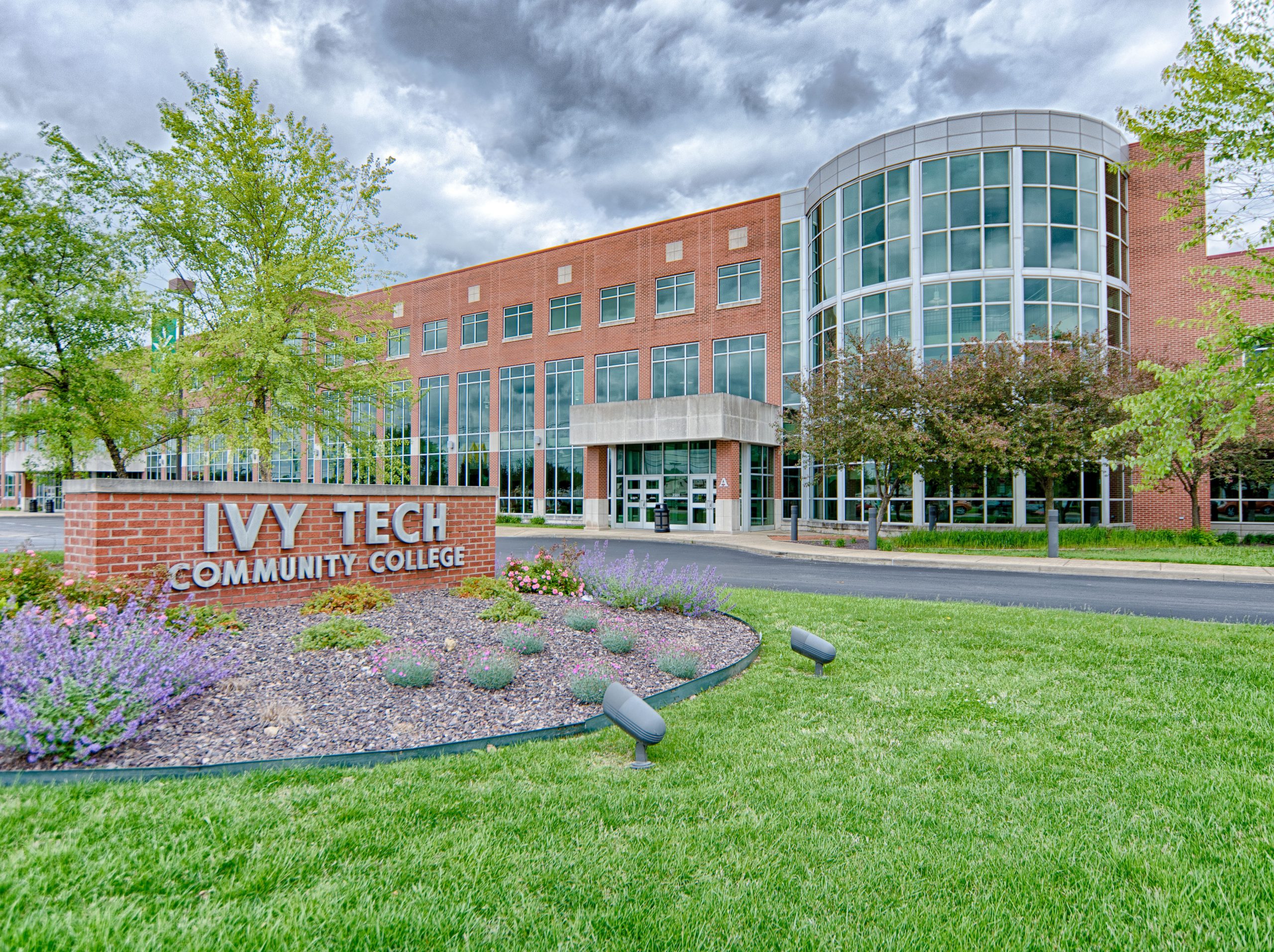
Too many students in Indiana face the same dilemma: pursue a costly four-year degree with uncertain returns or skip higher education and risk being left behind. Ivy Tech Community College IN solves that problem by offering practical, affordable, and accessible education tailored to real workforce needs.
With more than 70 program options, 25+ campuses statewide, and robust online offerings, Ivy Tech isn’t just Indiana’s largest community college—it’s a launchpad for careers in healthcare, tech, advanced manufacturing, and beyond. This isn’t theoretical learning. It’s education built for employment.
Why Indiana Students Choose Ivy Tech Community College IN
Ivy Tech stands out because it listens to Indiana’s job market. Unlike traditional colleges that often lag behind industry shifts, Ivy Tech works directly with employers to shape curriculum. That means students learn skills that are in demand—today, not five years ago.
For example, the college’s partnership with Eli Lilly and Company led to the development of a pharmaceutical manufacturing technician program. Graduates regularly transition into full-time roles at the company, often before they’ve completed their final semester.
Other key reasons students choose Ivy Tech:
- Affordability: Tuition is roughly one-third the cost of most public four-year universities in Indiana.
- Flexibility: Hybrid, online, and evening classes accommodate working adults and parents.
- Fast completion: Most associate degrees take two years or less; many certificates can be earned in under a year.
- Seamless transfers: Ivy Tech has articulation agreements with Indiana University, Purdue, and others, making bachelor’s degree pursuit smoother.
Consider Sarah from Fort Wayne, a single mother who completed Ivy Tech’s medical coding certificate in 10 months while working part-time. She now earns $58,000 annually at a local hospital—triple her previous income.
Programs That Deliver Real Career Outcomes
Ivy Tech’s academic offerings are structured around workforce demand. Programs are grouped into seven School of Excellence areas, each tied to high-growth sectors in Indiana:
1. School of Health Sciences From nursing to radiologic technology, Ivy Tech trains frontline healthcare workers. The Associate Degree in Nursing (ADN) program has a 90%+ NCLEX pass rate—well above the national average.
Common paths: - Registered Nurse (ADN) - Medical Assistant - Pharmacy Technician - Dental Hygiene
Real-world case: A student in the Evansville campus completed the EMT-to-AEMT bridge program and was hired by a regional ambulance service within three weeks of certification.
2. School of Technology

With labs equipped like real industrial environments, this school prepares students for technical roles in automation, cybersecurity, and IT support.
High-demand programs: - Cybersecurity and Networking - Electrical Technology - Computer-Aided Design (CAD) - Cloud Computing
Limitation to note: High enrollment in IT programs means some courses fill quickly. Prospective students should apply early and meet with an academic advisor.
3. School of Advanced Manufacturing, Engineering, and Applied Science Indiana’s manufacturing sector employs over 500,000 people. Ivy Tech supplies skilled talent through programs like Mechatronics and Welding Technology.
Workflow tip: Students in the mechatronics program spend 40% of class time in hands-on labs, troubleshooting programmable logic controllers (PLCs) used in real production lines.
4. School of Public Safety Training future police officers, firefighters, and emergency dispatchers, this school maintains strict standards aligned with state certification requirements.
Example: The Fire Science program includes live burn training and emergency vehicle operations—critical experience not offered at all community colleges.
Campus and Online Learning: Flexibility Without Compromise
Ivy Tech serves over 180,000 Hoosiers annually across formats:
- On-campus: Labs, clinicals, and workshops are held in person, especially for health and technical programs.
- Online: Fully remote degrees in Business, IT, and General Studies allow students to learn from anywhere.
- Hybrid: A mix of online lectures and in-person labs—common in nursing and engineering tech.
Choosing the Right Format
| Format | Best For | Limitations |
|---|---|---|
| On-Campus | Hands-on fields (e.g., welding, nursing) | Commute time, fixed schedules |
| Online | Working adults, rural students | Requires self-discipline; limited access to physical labs |
| Hybrid | Balance of flexibility and practical training | Requires coordination between online and in-person sessions |
Tip: Students in online programs should schedule regular check-ins with academic advisors. Ivy Tech assigns success coaches to help remote learners stay on track.
Admissions, Aid, and Getting Started
Applying to Ivy Tech is straightforward—but common mistakes slow the process.
Step-by-Step Enrollment
- Submit application (free online)
- Take the Accuplacer placement test or submit SAT/ACT scores
- Complete FAFSA—Ivy Tech distributes over $200 million in financial aid annually
- Attend New Student Orientation
- Register for classes with an advisor
Common mistake: Skipping orientation. Students who attend are 30% more likely to persist into their second semester.
Financial Aid and Scholarships Ivy Tech participates in federal aid programs and offers its own scholarships:
- Frank O’Bannon Grant: Covers up to $3,030 per year for Indiana residents
- Last-Dollar Scholarship: Covers remaining tuition after other aid is applied
- Workforce Ready Grant: Pays full tuition for high-demand certificate programs like HVAC or commercial driving
Eligible students can earn a Commercial Driver’s License (CDL) at zero cost—then step into jobs paying $65,000+ at companies like FedEx and UPS.
Transfer Pathways to Four-Year Degrees
A growing number of students use Ivy Tech as a cost-effective first step toward a bachelor’s degree.
Through the TransferIN initiative, Ivy Tech students can:
- Lock in junior-year admission at IU, Purdue, or Ivy Tech’s own Bachelor of Science programs
- Transfer up to 60 credits seamlessly
- Access transfer fairs and dual-advising at partner schools
For example, an Ivy Tech graduate with an associate in Computer Science can transfer to Purdue’s Department of Computer and Information Technology with full junior standing—saving over $20,000 in tuition.
Pro tip: Not all credits transfer equally. Students planning to transfer should use TransferIN’s credit evaluator tool early and follow approved program maps.
Workforce Partnerships and Job Placement
Ivy Tech doesn’t just train students—it connects them to jobs.
The college maintains active relationships with over 4,500 Indiana employers, including:
- Subaru of Indiana Automotive
- Cummins Inc.
- Community Health Network
- Tech companies in Indianapolis’ growing “Silicon Prairie” corridor
Career services include:
- Resume workshops
- Mock interviews with hiring managers
- Exclusive job board access
- Employer-hosted “hiring days” on campus
In 2023, 78% of Ivy Tech graduates were employed, continuing education, or both within six months of completion.
Who Should Consider Ivy Tech Community College IN?
Ivy Tech isn’t for everyone—but it’s ideal for:
- Recent high school grads looking to save money before transferring
- Adult learners seeking career changes without quitting work
- Veterans using GI Bill benefits for technical training
- Unemployed or underemployed workers needing fast, certified skills
If your goal is a stable, well-paying job in Indiana within two years or less, Ivy Tech is a strategic choice.
It’s not a shortcut. It’s a smarter route.
Start Your Ivy Tech Journey Today
Go to ivytech.edu, select your campus or program, and start the free application. Complete your FAFSA using school code 007169. Then, schedule a meeting with an academic advisor—don’t guess your path; plan it.
For working adults, explore Workforce Ready Grant-eligible programs: no out-of-pocket cost, high job placement, and real earning potential from day one.
Ivy Tech Community College IN doesn’t promise fame or prestige. It delivers something more valuable: opportunity, on your terms.
Frequently Asked Questions
What is the acceptance rate at Ivy Tech Community College IN? Ivy Tech has an open admissions policy—most applicants are accepted if they have a high school diploma or GED.
Can I attend Ivy Tech online from another state? Yes, but eligibility for financial aid and program availability may vary. Check with the Office of Distance Education.
How much does Ivy Tech cost per semester? Full-time tuition averages $3,500–$4,200 per semester for Indiana residents, depending on credit load.
Are Ivy Tech credits transferable to IU or Purdue? Yes, through TransferIN agreements. Most general education and approved program credits transfer seamlessly.
Does Ivy Tech offer housing? No, Ivy Tech is a commuter college and does not provide on-campus housing.
What are the most popular programs at Ivy Tech? Nursing, IT, Business, Advanced Manufacturing, and Criminal Justice are among the top enrollments.
Can I get a bachelor’s degree at Ivy Tech? Yes, Ivy Tech offers select bachelor’s degrees, including BS in Cybersecurity, Organizational Leadership, and Respiratory Therapy.
FAQ
What should you look for in Ivy Tech Community College IN: Your Path to Practical Education? Focus on relevance, practical value, and how well the solution matches real user intent.
Is Ivy Tech Community College IN: Your Path to Practical Education suitable for beginners? That depends on the workflow, but a clear step-by-step approach usually makes it easier to start.
How do you compare options around Ivy Tech Community College IN: Your Path to Practical Education? Compare features, trust signals, limitations, pricing, and ease of implementation.
What mistakes should you avoid? Avoid generic choices, weak validation, and decisions based only on marketing claims.
What is the next best step? Shortlist the most relevant options, validate them quickly, and refine from real-world results.